Recognizing Company Entities: Frameworks, Features, and Value
Companies are complex entities that play a critical role in the modern-day economic situation, affecting markets, employment, and economic climates at large. Basically, a corporation is a lawful entity that is separate from its proprietors, capable of rights and duties as if it were a human being. This framework enables firms to own residential property, go into contracts, and take legal action against or be taken legal action against individually of the people that own them or benefit them. The principle of a firm has advanced over centuries, originally developed to meet the administrative demands of government entities prior to becoming fundamental to industrial exploits. The value of firms can not be overstressed; they set in motion large amounts of resources, drive innovation via r & d, and offer items and services that provide to a myriad of customer requirements. In addition, corporations can issue supply to raise resources, permitting them to expand and spend in brand-new ventures without needing the founders to birth all the monetary threat themselves.
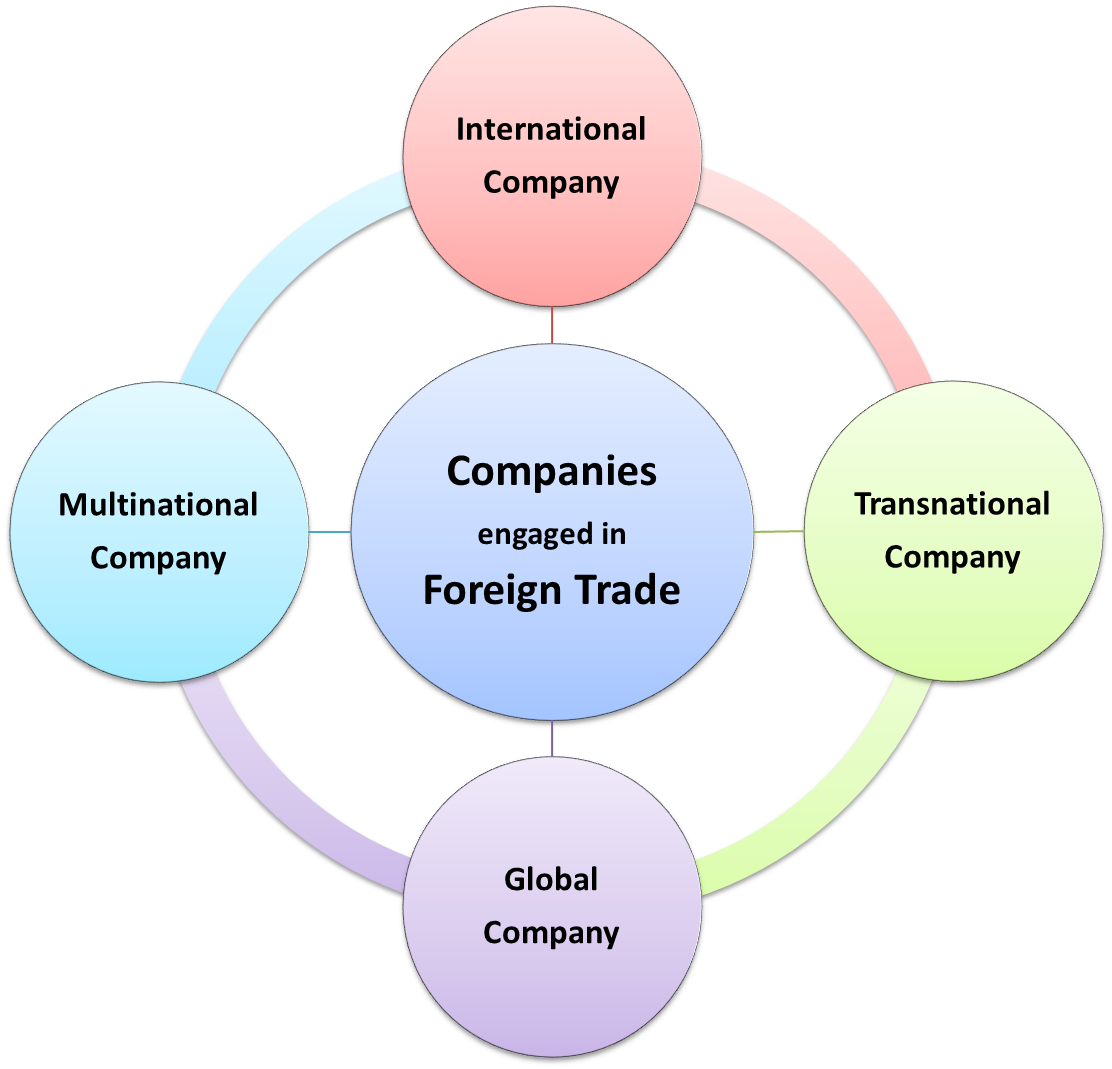
Firms are available in numerous types, including exclusive and public entities, each controlled by a set of guidelines certain to the country in which they are established. Public firms are publicly traded on supply exchanges, and their shares can be bought and offered by the public. did amazon put toys r us out of business of corporation is required to divulge substantial quantities of info to meet the criteria of regulatory bodies, ensuring openness and liability. On the various other hand, private corporations do not provide public shares and are generally much less managed in regards to disclosure. They typically stay under the control of a few people or a household. These, other forms like nonprofits and cooperatives offer specific objectives, concentrating much more on area and service instead than earnings. Navigating corporate laws, understanding the influences of company taxes, and the intricacies of corporate administration are critical for any individual engaged with or used by a firm. Therefore, the study of company entities is not only appropriate for financiers and local business owner however additionally for policymakers and the public who interact with these entities daily.
Understanding the Framework and Function of Modern Companies
Corporations are complicated entities that play a pivotal role in the global economic situation, affecting every aspect of contemporary life from employment chances to technical technology. At its core, a firm is a lawful entity distinct from its owners, with the ability of exercising a lot of the rights and obligations that people have. This includes participating in contracts, borrowing cash, and owning possessions. The advantage of this framework is that it offers a protective shield for the personal possessions of the shareholders against the firm's obligations. Companies are commonly structured in a hierarchical manner, with a board of directors on top accountable for making the major choices and looking after the general training course of business. Below the board, different levels of monitoring deal with the day-to-day operations, ensuring that the company's critical objectives are implemented effectively. The interior workings of a firm are controlled by its bylaws, which are established by the board of supervisors. These bylaws detail the guidelines for company administration, decision-making procedures, and the obligations of policemans and directors. Compliance with both inner laws and outside regulative demands is essential for keeping the validity and moral standing of the company. Companies need to stabilize their responsibilities to shareholders, who expect a return on their financial investment, with the demands of other stakeholders, including employees, customers, and the neighborhoods in which they operate. This equilibrium is critical in sustaining lasting growth and security within the market. Corporations likewise face the obstacle of versatility and innovation, particularly in swiftly transforming markets like technology and international financing. The capability to pivot in reaction to market needs and technical developments is commonly what divides effective corporations from those that stop working. Furthermore, in a progressively interconnected globe, international companies must navigate a complicated web of global regulations and trade arrangements. The international reach of these companies suggests their influence expands far past their instant locales, usually shaping economic plans and labor practices in multiple nations. This large impact makes recognizing the elaborate details of just how firms function more crucial than ever before for those involving with or affected by their activities.
Architectural and Operational Dynamics of Modern Corporations
In the complex globe of modern-day business, the framework and functional devices of firms play a critical duty in forming their success and versatility in quickly altering markets. At their core, corporations are structured with an ordered system where the board of directors holds the best decision-making power, overseeing company execs that manage the day-to-day operations. This conventional pyramid-like framework makes sure a clear delineation of duties and functions, which is necessary for large-scale companies. Nonetheless, the operational characteristics of these entities are significantly intricate, entailing a myriad of tactical, financial, and supervisory jobs. Strategic decision-making, as an example, entails not only market evaluation and financial investment choices however likewise the combination of lasting practices and technological technology to stay affordable. Financial operations, as well, are a foundation of corporate performance, encompassing whatever from budget plan administration and profits projecting to run the risk of analysis and compliance with worldwide monetary reporting requirements. In addition, human sources administration has progressed from mere hiring and firing to a critical aspect that entails skill training, growth and procurement, performance administration, and fostering a company society that lines up with the company's objectives and honest standards. Such multidimensional procedures need companies to be extremely adaptable, often requiring nimble approaches that enable fast pivoting and decision-making in response to market or ecological changes. In a period dominated by information technology, firms are increasingly leveraging innovative data analytics, fabricated intelligence, and device learning to enhance procedures and boost decision-making procedures. This combination of technology not only enhances procedures but additionally introduces new obstacles and chances in locations like cybersecurity and electronic change. Thus, the functional dynamics of contemporary corporations are marked by a constant balancing act between keeping tried-and-tested approaches and introducing to fulfill future obstacles.
Recognizing the Framework and Workflow of a Corporation
A corporation, necessarily, is a complex lawful entity separate from its proprietors, with the ability of having properties, incurring liabilities, hiring staff members, going into contracts, and taking legal action against or being sued. This detailed structure is supported via a distinct power structure and adherence to rigorous regulative standards, which vary significantly from region to area. At the heart of every firm is its board of directors, a group of individuals chosen by the investors to manage the wide policies and instructions of the company. These supervisors select elderly monitoring, consisting of a Ceo (CEO), who deals with the everyday operations and application of the company's lasting methods. Additionally, corporations are defined by their capacity to issue shares of stock, an action that allows them to raise capital from public and personal financiers. This feature not just gas development and innovation yet likewise dilutes ownership, dispersing it amongst potentially thousands of shareholders. Thus, while it provides the advantage of minimal liability to its proprietors, suggesting they are safeguarded from individual losses past their investment in the firm, it likewise requires a greater degree of administration and transparency. Governing compliance, economic disclosures, and board oversight are therefore extremely inspected to make sure accountability and safeguard stakeholder rate of interests. Recognizing these characteristics is vital for anyone engaged with or affected by the business sector— be it a capitalist, employee, regulator, or consumer.
Strategic Initiatives and Future Expectation of the Firm
The firm's blueprint for sustained development and market prominence is deeply ingrained in its calculated campaigns and future estimates. These approaches are thoroughly crafted to line up with emerging market patterns, technical advancements, and altering consumer choices. As the international economic landscape evolves, the firm is keenly concentrated on broadening its digital impact, enhancing its sustainability initiatives, and building durable collaborations to reinforce its supply chain strength. One of the essential pillars of its strategy is the hostile financial investment in research study and growth (R&D) to foster advancement in product offerings and operational efficiencies. This not only positions the corporation as a leader in its industry yet additionally as a leader in adopting innovative innovations that redefine just how solutions are supplied. Furthermore, the corporation is exploring new markets by tailoring its products to meet local requirements and choices, which is expected to drive growth in untapped markets. Another considerable facet of its strategy is the focus on customer-centricity, aiming to deliver remarkable client experiences via personalized solutions and proactive involvement strategies. By incorporating sophisticated analytics and expert system, the corporation is established to change information into actionable insights, thereby boosting and optimizing decision-making processes customer fulfillment. These critical ventures are expected to fortify the corporation's market setting, ensuring long-lasting earnings and shareholder worth in a dynamic and increasingly competitive international environment.